 Atrial fibrillation (AF) was described in animals in the 17th century by William Harvey and then confirmed as an electrocardiographic diagnosis by William Einthoven in 1906. Symptoms of AF are both somewhat generic and highly variable. These can include palpitations, fatigue, dyspnea, chest discomfort, lightheadedness and anxiety. At other times, patients don’t have any discernible symptoms.
One thing that’s not in question is the huge impact AF currently has – and its increasing prevalence in our population. It’s present in about 2% of patients under 65 years old and in up to 9% over 65 years old. The economic impact of AF was estimated at $30.5 billion in 2015 and expected to be over $65 billion by 2035. This reflects both a growing population of AF patients and the development of advanced therapies for treatment. Increasing awareness of the condition in the general public and the advent of wearable heart rate and rhythm devices that have increased the diagnoses of AF.
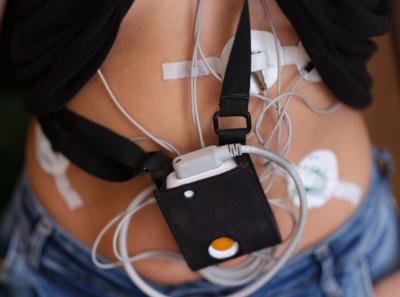
In most patients, AF starts as a paroxysmal episode. We are dependent on the reporting of symptoms in order to perform a proper investigation, which could include an EKG, Holter monitor or external event monitor, as well as an implantable loop recorder. Additionally, asymptomatic AF can be diagnosed incidentally during an unrelated physician encounter. In the worst case scenarios, we diagnose AF after the patient has suffered a thromboembolic complication such as a stroke.
Upon diagnosis of AF, the initial evaluation involves looking for secondary causes such as valvular heart disease, congenital heart disease, congestive heart failure (CHF), thyroid disease, pulmonary hypertension and pulmonary diseases, among others. The initial therapy would include anticoagulation if appropriate, in addition to control of the ventricular response. Appropriate treatment of potential causes would be paramount, too. Further options and interventions would be based on comorbid conditions and symptomatology.
The two main strategies of AF treatment involve rate control of the ventricular response and rhythm control, whereby sinus rhythm is maintained. Both strategies can involve medical therapies and surgical interventions. Determination of the best strategy for the patient is based on a variety of factors like age, comorbid conditions and the quality of life impact of AF.
In the modern era, maintenance of sinus rhythm is generally considered the better option for most patients due to the undesirable impact of AF on stroke, CHF and mortality. Anticoagulation use is primarily dependent on the patient’s stroke risk as measured by the CHADS-VASc scoring method.
This scheme uses comorbid conditions (such as hypertension, diabetes, CHF, previous stroke, age, sex and atherosclerosis) to create a risk score from 0 to nine points. Long-term anticoagulation is recommended for men with greater than or equal to two points and women with greater than or equal to three points. Interestingly, stroke risk has not been proven to be related to AF symptoms or burden.
Treatment was originally limited to digitalis until beta blockers were introduced in the 1960s. Following that, the next significant development was use of calcium channel blockers in the 1980s. Use of antiarrhythmic drugs to maintain sinus rhythm started in the late 1980s and continues today.
The very first AV node catheter ablation to control the ventricular rate was performed in 1981 by Dr. Melvin Scheinman, and the surgical maze procedure to fix AF was developed in 1987 by Dr. James Cox. In 1998, Dr. Michel Haissaguerre introduced catheter ablation for treatment of AF. Finally in 2023, catheter ablation for AF can be considered first-line therapy in the right patients.
A rate control strategy consists of providing AV nodal blockade using medications such as beta blockers, calcium channel blockers or digoxin. This approach allows for mitigation of a rapid heart rate to a more appropriate range.
If the ventricular response cannot be controlled using medications, then ablation of the AV node can be performed. However this requires pacemaker implantation, and the patient is then dependent on pacing. Pacing with AV node ablation is generally considered a last resort or in cases where more advanced procedures are not appropriate for the patient.
Rhythm control refers to maintaining sinus rhythm using specialized medications that affect cardiac cell membrane ion channels. Commonly used drugs would include amiodarone, flecainide, sotalol, dofetilide and dronedarone. Initiation of these medications is sometimes done as an outpatient, but also occasionally as an inpatient based on circumstances and the specific agent.
Supervision of therapy is needed to evaluate for changes to cardiac conduction such as QT or QRS prolongation (done via EKGs). There may be interactions between these and the patient’s other medications. If medical therapy does not have a desirable result, then catheter ablation may be considered.
Catheter ablation of AF has improved dramatically over the past quarter century. Success rates have risen and now approach 70% to 80%, and serious complication (stroke, death and bleeding) rates have decreased to below 1%. Procedural morbidity has improved through technology, refined techniques and shorter procedures.
The surgeries are usually done under general anesthesia or deep conscious sedation. An AF ablation procedure typically takes 60 to 90 minutes, and most patients are able to be discharged home the same day.
Catheters are inserted into the femoral vein via the right groin and occasionally the left groin. These catheters are advanced into the heart and then into the left atrium. Patients don’t need to be in AF for the procedure, and, in fact, sinus rhythm is ideally preferred.
The left atrium is electronically mapped, and triggers for AF are identified. These triggers are not visually distinguishable but provide characteristic electrical signals. Once these abnormal signals are identified, they are eradicated using RF energy (heat) or cryoenergy (freeze). These abnormal signals are always present and can be identified whether the patient is in sinus rhythm or AF.
Patients diagnosed with AF are usually seen by cardiology initially and then referred to cardiac electrophysiology if advanced therapies are deemed appropriate. Consultation with an electrophysiologist would involve review of possible etiologies, assessment of diagnostic testing and determination of AF burden.
AF burden is a term describing a qualitative and quantitative assessment of AF in a given patient. This is an aggregate of symptom severity, AF sequelae, episode duration/frequency, ventricular rate and quality of life impact. A customized strategy is created for each patient based on the aforementioned factors and the patient’s philosophical approach to medical intervention.
In 2023, most patients don’t have to simply live with AF and the negatives therein. We have many excellent options today, and the best results are achieved by viewing the patient as a unique individual and creating a therapeutic strategy tailored to their needs.
 Dr. Nerendra Kanuru
Dr. Kanuru is a cardiac electrophysiologist for Wellstar Center for Cardiovascular Care. He attended both college and medical school at the University of Miami and graduated from the six-year combined bachelor’s/medical degree program. Dr. Kanuru completed his internship and residency in internal medicine at Emory University. Following a cardiology fellowship at the University of Tennessee, he returned to Atlanta and completed a two-year cardiac electrophysiology fellowship at Emory University. Dr. Kanuru is board certified in cardiovascular disease and clinical cardiac electrophysiology.


