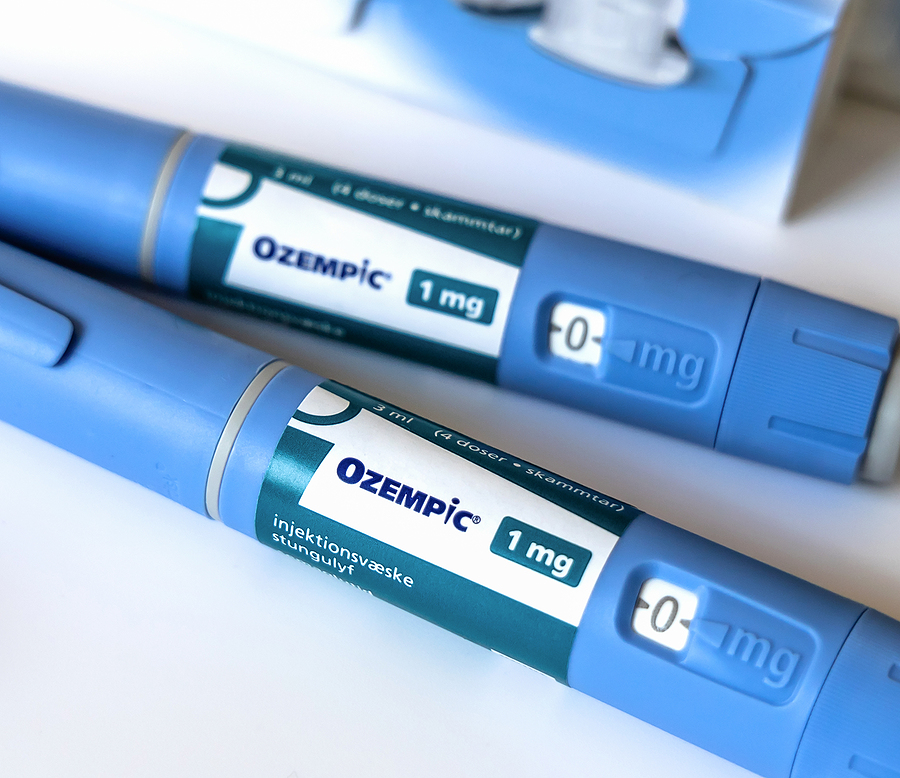
 Glucagon-like peptide-1 receptor agonists (GLP-1RA) are considered a cornerstone of type 2 diabetes and obesity treatment nowadays. These medications – the most commonly known is Ozempic – have a strong efficacy in controlling hyperglycemia and a significant effect on weight loss.
Due to their effect on gastric motility, the most common side effects seen in patients starting GLP-1RA are nausea, vomiting and diarrhea affecting ~15-30% of patients. The effect tends to be worse during initiation and titration of treatment and improves over time.
Dietary recommendations should focus on adequate hydration, a low-fat diet and avoiding large meals. If constipation occurs, increasing fiber intake and taking a stool softener might be needed.
Despite the many benefits, there are possible effects of GLP-1RA on the risk of thyroid cancer, pancreatic and biliary disease, fertility and ophthalmological complications.
What is the Relationship Between GLP-1RA and Thyroid Cancer?
An increased risk of C-cell hyperplasia and medullary thyroid cancer (MTC) was seen in rodents exposed to GLP-1RA liraglutide and exenatide.2,3 Other observational studies suggest an increased risk for both MTC and non-MTC in patients taking GLP-1RA, however, these studies are confounded by moderate to significant bias, and causality can’t be concluded due to significant covariates.
Clinical trials of GLP-1RA didn’t show a higher risk for malignancy though they had low number of events, which makes the data imprecise. When looking at the overall available evidence, there is no clear conclusion to suggest an increased risk of MTC or non-MTC thyroid cancer in patients taking GLP-1RA. Nevertheless, such medications should be avoided in patients with personal or family history of MTC (or multiple endocrine neoplasia type 2). GLP-1RA is not considered a risk of thyroid cancer and shouldn’t change the management of thyroid nodules.
Do GLP-1RAs Increase the Risk of Pancreatic and Biliary Diseases?
The risk of gallbladder disease was noted in patients taking GLP-1RA when used for type 2 diabetes or obesity. In one meta-analysis, the risk of cholelithiasis, acute cholecystitis and biliary disease was higher in the GLP-1RA group (relative risk of 1.27, 1.36 and 1.55 respectively) when compared to placebo or other therapies. Patients should be counseled on the risk of gallbladder disease, particularly at-risk populations (Caucasian females with obesity older than 40 years).
In term of pancreatitis, the current evidence is inconclusive. On one hand, post-marketing studies report increased risk of acute pancreatitis in patients treated with GLP-1RA.5,6 On the other hand, retrospective studies and GLP-1RA clinical trials didn’t confirm this risk.7,8
There is no clear causal relationship based on available evidence. Until more data is available, the current recommendation is to avoid using GLP-1RA in patients with history of pancreatitis and to discontinue it if pancreatitis occurs after starting treatment.
Do GLP-1RAs Affect Pregnancy Rate or Contraception?
The term “Ozempic babies” refers to surprise pregnancies in female patients starting GLP-1RA. This likely relates to the effect of weight loss on ovulation and fertility in general. There is also a concern of decreased effectiveness of oral contraceptives as a result of decreased gastric motility. Tirzepatide (a dual GLP-1RA and GIP (glucose-dependent insulinotropic polypeptide) decreases the estrogen level in patients taking oral contraception and thus requires the patient to use barrier contraception for 4 weeks after starting treatment or changing the dose. Patient education is important to avoid unintended pregnancies, especially since the effect on pregnancies is not well known.
What is the Effect on Diabetic Retinopathy?
The 2013 semaglutide trial (SUSTAIN-6) unexpectedly showed a higher risk of retinopathy complications in patients treated with weekly semaglutide compared to the placebo.9 Rapid glucose control in the treatment group and pre-existing retinopathy likely contributed to this risk.
Studies of other GLP-1RAs didn’t confirm a higher rate of ocular complications. Further research is warranted and currently ongoing, particularly with semaglutide.
Another concern is nonarteritic anterior ischemic optic neuropathy, which was recently reported to be higher in patients taking semaglutide in a retrospective study. Patients starting treatment with GLP-1RA (particularly semaglutide) should have their diabetic ophthalmological evaluation up to date prior to treatment, and regular follow up is needed to monitor for developing complications.
 Dr. Mushref is board-certified in endocrinology and internal medicine. He practices at Piedmont Athens Endocrinology, where he delivers comprehensive diabetes and endocrinology care to patients in Athens and the surrounding areas. In addition to his clinical role, he serves as adjunct faculty at the AU/ UGA Medical Partnership, supervising both residents and medical students. He also mentors internal medicine residents at the Clay Community Care Clinic in Athens.


