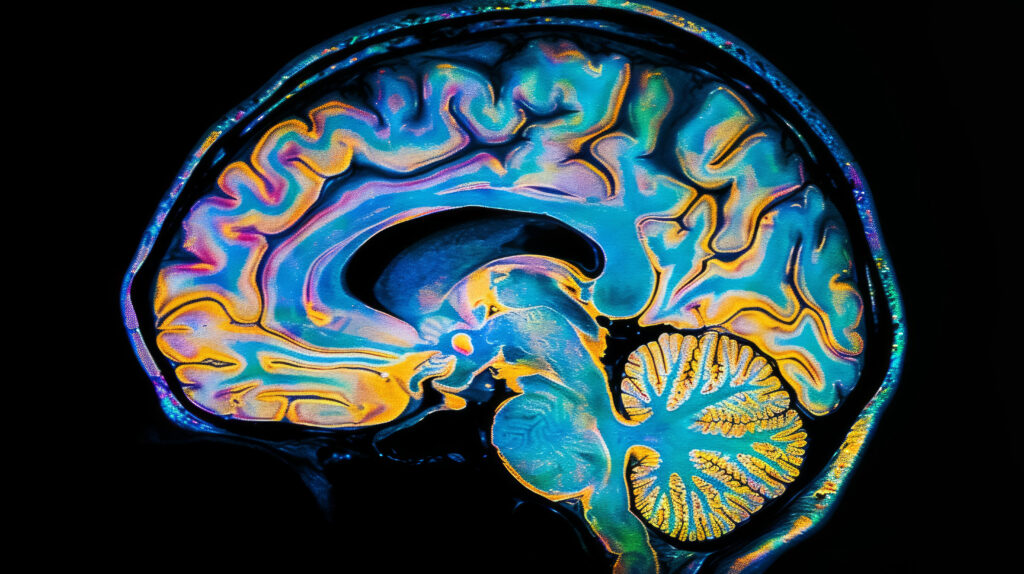
Despite the fast-growing population of older adults with Alzheimer’s disease (AD) and its disastrous consequences, there is no cure for AD. Fortunately, a two-decade longitudinal study suggested that AD is not an unavoidable consequence of aging, and prevention or delay in dementia development may be achieved by modifying the exposure to certain risk factors.
Significant new advances in the treatment of Alzheimer’s have resulted in development of disease-modifying therapies that are now clinically available. For this reason, early and accurate diagnosis as well as reliable biomarkers to detect monitor for progression are extremely important.
Although current clinical biomarkers such as an MRI and serum test are available; the variability in clinical presentation and the functional consequences of the disease necessitate the development of complementary approaches that will be valuable in the clinical setting but even more useful in validating newer therapies in the preclinical stage. Here we discuss the use of neuropsychological testing in the area of modern therapies, as well as ongoing research evaluating the applications of advanced biomechanical tools to identify biomarkers for treatment response and disease progression and Alzheimer’s disease.
With this in mind, identifying AD at the earliest stages is crucial and possible. Early identification of vulnerable individuals in the AD process5, although still an unfulfilled medical need, is prudent.
Dementia-related brain changes occur decades before clinical diagnosis. Such brain changes could manifest as neuropsychological, biomechanical and neuromuscular impairments at the early preclinical stage of the disease, providing a critical time window for early AD detection.
Neuropsychological profiles provide a valuable adjunct for biological monitoring of disease progression and for appropriate neuropsychological intervention in an individual suspected of AD, at even mild disease stages. Thus, although biomarker determination is crucial in current evaluative processes, neuropsychological assessment will continue to be valuable in accurately delineating the clinical syndrome. Early recognition of neuropsychological indicators that form the harbinger of a probable diagnosis of dementia constitutes an essential part of dementia diagnosis and recommendations for management.
From a subjective cognitive complaint, a patient is given a comprehensive neuropsychological evaluation to map performance levels across different domains. With the recognition that early cognitive changes that are not part of normal aging may lead to the eventual diagnosis of dementia or AD, tracking changes in the various cognitive domains may be essential to guide the diagnostic process. To this end, Petersen et al. introduced the category mild cognitive impairment (MCI) to refer to patients with subjective complaints of isolated memory problems who show an increased probability of developing AD.
However, subjective complaints of memory are no longer exclusively required to diagnose MCI since understanding how cognitive constructs are impacted in brain disease and injury incorporates other cognitive domains such as language and executive functions. Furthermore, the variability in the phenotypic expression of cognitive and behavioral severity of symptoms across patients is well recognized, with criteria outlined for either Major Neurocognitive Disorder or Mild Neurocognitive Disorder diagnosis provided in the DSM 5 TR Supplement. Apart from the provision for Major or Mild Neurocognitive Disorder, diagnostic criteria and associated codes for “probable” or “possible” AD, for example, underscore the need for characterizing individual patterns of cognitive and behavioral decline, as suggested in the DSM-5-TR Neurocognitive Disorders Supplement.
Mobility and cognition are interrelated through common neural pathways.17 Increasing research has shown that motor impairments, including reduced gait speed, heightened movement variabilities, changes in body segment coordination, diminished arm swing movement and compromised balance, can manifest several years before noticeable AD-related cognitive symptoms.
This potential “preclinical” stage, where brain changes are presumed to occur without readily apparent cognitive decline, provides a valuable time window to detect AD early. Thus, early identification of subtle motor impairments could allow for early intervention and disease progression monitoring, even if cognitive symptoms are not yet present. The confluence of cognitive and motor impairments in emerging AD profiles may provide a useful pattern of functional mapping in monitoring the disease.
With sophisticated human motion capture technology, biomechanics has become a powerful tool to assess human movement and, thus, to evaluate the decline in physical functions. For example, 3D optoelectronic motion capture systems, inertial measurement unit-based systems and marker-less techniques have been used to track human movement inside and outside the laboratory environment. These systems allow the subtle declines of an individual’s physical functions and movement patterns to be quickly and accurately tracked and monitored. These changes can be correlated with the changes in cognitive functions and image- and fluid-based AD biomarkers to examine their potential to be used as biomarkers for early AD detection.
In the Biomechanics Laboratory at Georgia State University, researchers use the motion track system to study how gait patterns and fall risk differ between healthy older adults, older adults with MCI, and older adults with early AD. In addition, they expose participants to a large-scale and unexpected slip perturbation. The recovery process from the slip-related balance requires the central nervous system (CNS) to react appropriately by quickly detecting the balance loss, precisely integrating all sensory information, and effectively executing the balance recovery strategies (such as stepping). All these reactions must be completed within a split second.
Given the AD-induced CNS damage, the ability to recover from a slip could be significantly impaired in people with AD compared to their counterparts with less or no cognitive impairment. Therefore, the differences in balance recovery performance after a postural perturbation, regular gait pattern and overall fall risk between cognition stages can offer preliminary evidence of using biomechanical measurements as potential biomarkers for AD diagnosis. In addition, the correlations between the movement impairments and existing established AD diagnosis approaches will validate the biomechanical marker for early AD diagnosis.
Overall, the early diagnosis of AD is an unmet medical need. Assessing the continuum of cognitive and behavioral complaints and deficits over time provides an important venue for us to develop various biomarkers for detecting AD at its preclinical stage.
Early AD detection will significantly facilitate the treatment, management and recommendations for patients with either a probable or possible diagnosis of dementia. More work is needed to continuously identify, validate and test new biomarkers for early AD detection. This effort will profoundly impact older adults, their families and caregivers, and the healthcare system.
 Dr. Lazarus is former professor of neuropsychology in South Africa and former Adjunct Professor at Psychology Department, Emory University. He is a Fellow of the National Academy of Neuropsychology. Dr Lazarus taught and practiced neuropsychology for over 40 years and supervised over 50 masters theses and doctoral dissertations, training close to 350 students in neuropsychology. His current work includes assessing and managing patients with degenerative brain diseases.

Dr. Yang is an associate professor and director of the Biomechanics Laboratory in the Department of Kinesiology and Health at Georgia State University. He and his team conduct biomechanics, motor disorders and rehabilitation research. Currently, his research concerns fall prevention in older adults and individuals with neurological conditions (multiple sclerosis, mild cognitive impairment, Alzheimer’s disease). Dr. Yang has published more than 100 articles in prestigious academic journals.
References
1. Alzheimer’s Association, 2023 Alzheimer’s disease facts and figures. Alzheimer’s and Dementia, 2023. 19(4): p. 1598-1695.
2. Matthews, F.E., et al., Cognitive Function and Ageing Studies (CFAS) collaboration. A two decade dementia incidence comparison from the Cognitive Function and Ageing Studies I and II. Nature Communications, 2016. 7: p. 11398.
3. Norton, S., et al., Potential for primary prevention of Alzheimer’s disease: an analysis of population-based data. The Lancet Neurology, 2014. 13(8): p. 788-794.
4. World Health Organization, Risk reduction of cognitive decline and dementia. WHO Guidelines. 2019: Geneva.
5. Rasmussen, J. and H. Langerman, Alzheimer’s disease – Why we need early diagnosis. Degenerative Neurological and Neuromuscular Disease, 2019. 9: p. 123-130.
6. Hameed, S., et al., Role of fluid biomarkers and PET imaging in early diagnosis and its clinical implication in the management of Alzheimer’s disease. Journal of Alzheimer’s Disease Report, 2020. 4(1): p. 21-37.
7. Kim, B.-G., et al., Adverse events and discomfort during magnetic resonance imaging in cochlear implant recipients. JAMA Otolaryngology – Head and Neck Surgery, 2015. 141(1): p. 45-52.
8. van Dongen, R.M., et al., The effect of needle size on cerebrospinal fluid collection time and post-dural puncture headache: A retrospective cohort study. Headache, 2021. 61(2): p. 329-334.
9. Sabbagh, M.N., et al., Increasing precision of clinical diagnosis of Alzheimer’s disease using a combined algorithm incorporating clinical and novel biomarker data. Neurology and Therapy, 2017. 6(Suppl 1): p. 83-95.
10. DeTure, M.A. and D.W. Dickson, The neuropathological diagnosis of Alzheimer’s disease. Molecular Neurodegeneration, 2019. 14: p. 32.
11. Younes, L., et al., Identifying changepoints in biomarkers during the preclinical phase of Alzheimer’s disease. Frontiers in Aging Neuroscience, 2019. 11: p. 74.
12. Jack, C.R., et al., NIA-AA Research Framework: Toward a biological definition of Alzheimer’s disease. Alzheimer’s and Dementia, 2018. 14(4): p. 535-562.
13. Bracco, L., et al., Italian multicentre study on dementia (SMID): A neuropsychological test battery for assessing Alzheimer’s disease. Journal of Psychiatric Research, 1990. 24(3): p. 213-226.
14. American Psychiatric Association and F.G. Lu, Diagnostic and Statistical Manual of Mental Disorders DSM-5-TR. 2022: American Psychiatric Publication Inc. 1142.
15. Shaughnessy, L.W. and S. Weintraub, The role of neuropsychological assessment in the evaluation of patients with cognitive-behavioral change due to suspected Alzheimer’s disease and other causes of cognitive impairment and dementia. Alzheimer’s and Dementia, 2025. 21(1): p. e14363.
16. Petersen, R.C., et al., Mild cognitive impairment: clinical characterization and outcome Archives of Neurology, 1999. 56(3): p. 303-308.
17. Montero-Odasso, M., et al., Gait and cognition: A complementary approach to understanding brain function and the risk of falling. Journal of the American Geriatrics Society, 2012. 60(11): p. 2127-2136.
18. Qiao, M. and F. Yang, Leg joint stiffness affects dynamics of backward falling from standing height: A simulation work. Journal of Biomechanical Engineering, 2020. 142(10): p. 101007.
19. Salmon, D.P. and M.W. Bondi, Neuropsychological assessment of dementia. Annual Review of Psychology, 2009. 60(3): p. 257-282.


