 Liver transplantation is a life-saving intervention for patients with end-stage liver disease, acute liver failure, select metabolic disorders and certain malignancies. Traditionally, donor livers have been preserved using static cold storage (SCS), a method that involves flushing the liver with a preservation solution and keeping it at low temperatures (typically around 4¡C or 39.2¡F) by placing it in a preservation solution, which is subsequently stored on ice in a sterile container within an insulated cooler. This approach slows cellular metabolism and as a result mitigates ischemic damage. However, SCS has notable limitations, including the risk of ischemia-reperfusion injury (IRI) and the inability to assess organ viability prior to transplantation.
Normothermic machine perfusion (NMP) has recently emerged as a dynamic preservation technique that simulates physiological conditions to maintain liver function, assess organ viability in real time and potentially increase the availability of donor organs. This article explores the core principles, clinical benefits and future implications of NMP in liver transplantation.
Understanding Normothermic Machine Perfusion
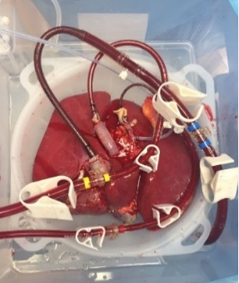
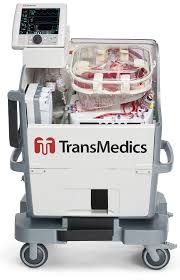
NMP involves preserving the liver at normal body temperature (37¡C) by continuously circulating an oxygenated blood-based or synthetic perfusate through the organ. This process supplies the liver with oxygen, nutrients and metabolic substrates, enabling it to remain metabolically active during the preservation period. By maintaining near-physiological conditions, NMP supports ongoing cellular function, reduces injury and offers a unique opportunity to observe how the liver performs outside the body.
The perfusate typically includes packed red blood cells or oxygen-carrying substitutes to ensure adequate oxygenation. Nutritional elements such as glucose, amino acids and electrolytes support the metabolic needs of the liver during perfusion. The system closely controls temperature and pressure to mimic physiological conditions and prevent further injury.
One of NMPÕs most transformative aspects is the ability to monitor the livers function in real time, including metrics such as bile production, lactate clearance and enzyme levels, which provide insight into the organs viability. Additionally, there is growing interest in using NMP as a platform for organ conditioning Ð enhancing the function of marginal livers prior to transplantation.
 Clinical Advantages
NMP offers several significant advantages over traditional SCS. First, by preserving cellular function and minimizing cold-induced damage, NMP significantly reduces ischemia-reperfusion injury. This leads to improved early graft function and a lower risk of early allograft dysfunction (EAD).
Second, the technology enables real-time viability assessment, giving transplant teams crucial data to evaluate whether a liver is suitable for transplantation Ð particularly useful when considering extended criteria donor (ECD) organs. This capability has contributed to reducing the incidence of primary non-function (PNF) and has made it possible to safely use livers that would have otherwise been discarded.
Another key benefit of NMP is its potential to expand the donor pool. It allows for the successful use of livers from older donors, those with steatosis or from donation after circulatory death (DCD) donors. By reducing discard rates and improving utilization, NMP helps address the persistent organ shortage. Furthermore, because it maintains oxygenation throughout preservation, NMP limits oxidative stress and dampens the inflammatory cascade that typically accompanies reperfusion, which contributes to lower graft failure rates and better long-term outcomes.
Beyond preservation, NMP may serve as a therapeutic platform for future innovation. Research is exploring the potential for targeted drug delivery, gene therapy and even ex vivo organ regeneration during perfusion, transforming the liver from a static organ in storage to a responsive and repairable biological system.
Clinical Evidence and Outcomes
Multiple clinical studies support the efficacy of NMP. The COOL study (2018) and a pivotal Nature article in 2019 demonstrated lower rates of EAD in livers preserved with NMP compared to SCS. The Normothermic Liver Perfusion Trial (NLPT) showed that NMP reduced organ discard rates by 50%, offering a tangible solution to donor organ underutilization.
Additionally, real-world experiences indicate that NMP can extend preservation times well beyond the traditional 12-hour limit imposed by SCS, giving transplant centers greater flexibility in logistics and recipient preparation. As a result, more centers are incorporating NMP into routine practice, especially for marginal and extended criteria grafts.
 Challenges and Future Directions
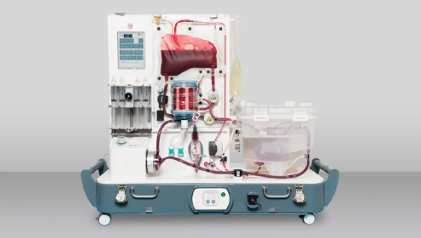
Despite its benefits, the implementation of NMP is not without challenges. The technology is expensive and requires specialized equipment, skilled personnel and infrastructure, making it less accessible for many transplant centers. Moreover, the lack of standardized protocols Ð ranging from perfusate composition to viability criteria Ð creates variability in outcomes and limits broad adoption. Although early results are promising, long-term data on graft survival and recipient outcomes are still evolving.
Looking ahead, future advancements may include the integration of artificial intelligence to automate organ assessment, improvements in perfusate formulations to enhance organ repair, and the development of portable perfusion devices to facilitate broader clinical use. Addressing cost and accessibility will be essential for expanding the reach of this promising technology. Normothermic machine perfusion represents a paradigm shift in liver transplantation. By preserving organs under near-physiological conditions, allowing real-time assessment and increasing the safe use of marginal donors, NMP has the potential to dramatically improve transplant outcomes and save more lives. As research continues and barriers are addressed, NMP may soon become a standard of care in liver transplantation, redefining the future of organ preservation.

Giri Vedula, MD
Dr. Vedula is a fellowship-trained multi-organ transplant surgeon specializing in liver transplantation and hepatobiliary surgery. He currently serves at the Piedmont Transplant Institute and has held multiple leadership roles in transplantation and organ donation. A graduate of Columbia University’s transplant fellowship program, Dr. Vedula’s professional interests include donor organ optimization and the application of advanced medical technologies to improve organ quality and utilization, with a focus on enhancing outcomes in solid organ transplantation.


