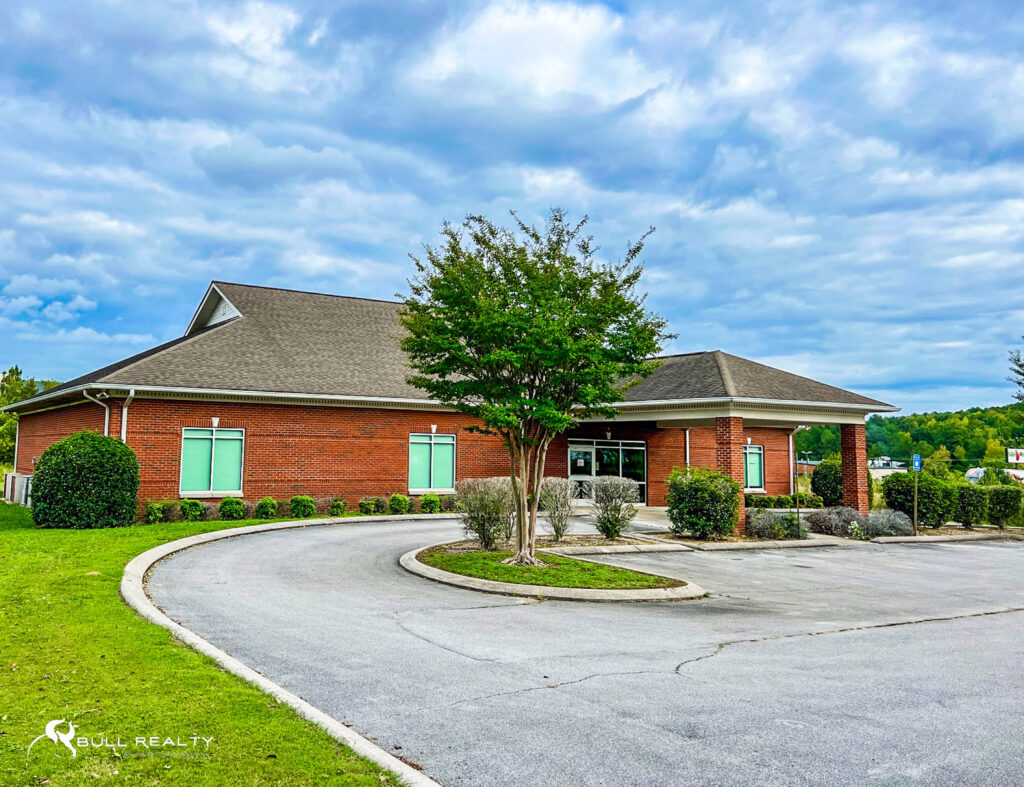
Atlanta has long served as the nucleus of Georgia’s healthcare economy, but an increasing number of physicians are choosing to establish practices in smaller, yet rapidly growing communities across the northern part of the state. Markets such as Ringgold in Catoosa County and Dalton in Whitfield County are emerging as important hubs, offering a compelling combination of patient demand, favorable demographics, and expanding healthcare infrastructure. These areas are providing physicians with the opportunity to build sustainable practices while meeting critical community health needs.
According to the U.S. Census Bureau, both Catoosa and Whitfield counties have experienced steady population growth over the past decade, driven by retirees seeking affordability and young families looking for community-oriented living with proximity to Chattanooga and Atlanta. Census data also indicates that these counties skew slightly older than the state average, creating consistent demand for primary care, cardiology, endocrinology, and women’s health services. At the same time, family households remain prominent, ensuring continued need for pediatrics and family medicine. This blend of aging populations and young families creates a stable base of healthcare demand that is unlikely to diminish.
The Centers for Disease Control and Prevention (CDC) reports that chronic diseases such as obesity, diabetes, and heart disease remain leading causes of morbidity across Georgia, and county-level data confirm these conditions are especially prevalent in northwestern counties. In Whitfield County, CDC data also highlight higher-than-average cancer and respiratory disease mortality rates, reinforcing the importance of oncology, pulmonary, and comprehensive rehabilitation services. For physicians, these indicators translate into both an immediate need and a long-term opportunity to build practices around chronic disease management and preventive care.
Healthcare infrastructure is also expanding to match this demand. In Ringgold, CHI Memorial is constructing a new hospital set to open in late 2025, which will include an emergency department and advanced imaging capabilities. This investment is expected to reduce patient out-migration to Chattanooga and Atlanta by capturing higher-acuity referrals closer to home. In Dalton, Hamilton Health Care System, rebranded as Vitruvian Health, is extending its specialty lines, particularly in oncology through the Peeples Cancer Institute, which has begun offering clinical trials. These expansions are strengthening local care networks and creating stronger referral ecosystems for new and existing physicians.
While reimbursement pressures remain a concern—Medicare fee schedules for 2025 have decreased modestly, and Georgia’s partial Medicaid expansion leaves uninsured rates above the national average—physicians are adapting through diversified payer strategies and leveraging incentives. In Whitfield County, more than 23 percent of residents under 65 are uninsured, compared to roughly 13 percent in Catoosa County, creating a payer mix that includes Medicare, commercial insurance, Medicaid, and significant self-pay segments. To offset these challenges, physicians are increasingly turning to Georgia’s Physician Education Loan Repayment Program and the National Health Service Corps, both of which offer financial incentives for serving in underserved areas.
The advantages of practicing in these markets extend beyond reimbursement. Lower real estate and staffing costs, less competition compared to Atlanta, and the opportunity to quickly build patient panels make Ringgold and Dalton especially attractive. Looking ahead, the greatest needs lie in comprehensive primary care hubs with integrated behavioral health, outpatient surgical centers, urgent care facilities, and expanded cardiology and oncology services.
To further increase patient demand, several strategies will be critical: developing partnerships with local employers and schools to expand preventive health programs, tailoring services to Dalton’s diverse population through bilingual care and community engagement, and offering transparent self-pay pricing models to accommodate the uninsured population. By aligning service delivery with demographic trends and community needs, physicians can not only grow sustainable practices but also significantly enhance healthcare access across North Georgia.
There are hundreds of business points in the selection process and lease negotiation that can become more important than the rental rate. At Bull Realty, our healthcare and medical office tenant representatives work closely with you to navigate your business goals. Our deep market expertise enables us to provide strategic guidance while ensuring your short- and long-term objectives are met—helping you secure the right space for your practice’s success and growth. For more information, reach out to us at www.bullrealty.com.

Phillip J. Kelly O.D.
V.P. Healthcare Real Estate
Email: Phillip@bullrealty.com
Direct: 404-876-1640 x159

Lindsay Brereton, CCIM
V.P. Healthcare Real Estate
Email: Lindsay@bullrealty.com
Direct: 404-876-1640 x 106
Sponsored by Bull Realty


