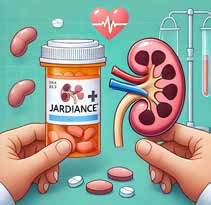
 Sodium-glucose co-transporter 2 inhibitors (SGLT2 inhibitors) were initially intended for type 2 diabetes but quickly proved effective for cardiovascular diseases and delaying the progression of diabetic kidney disease. These medications inhibit the SGLT-2 protein, which is responsible for 90% of glucose reabsorption in the kidneys, promoting urinary glucose excretion and reducing the kidney threshold for glucose.
Although the discovery of SGLT proteins dates back to the 1980s, canagliflozin was the first FDA-approved SGLT2 inhibitor in 2013. The approval of several other agents, such as empagliflozin and dapagliflozin, followed this. The A1C reduction for this class of medication is estimated to be 0.5%-0.8% when used as mono or add-on therapy. They have a low risk of hypoglycemia and promote an average of 2 kg weight loss. In addition, they have a significant blood pressure reduction effect averaging 3.6/1.70 mmHg
Effect on Cardiovascular Risk
Since 2008, the FDA has required all new treatments for type 2 diabetes to prove cardiovascular safety using cardiovascular outcome trials (CVOTs). Surprisingly, the SGLT2 inhibitors trials not only provided reassurance about their safety but showed a significant cardiovascular risk reduction.
The first landmark clinical trial was the 2013 EMPA-REG OUTCOME trial, which showed a significant reduction of cardiovascular death in patients treated with empagliflozin compared to a placebo. Over a median of 3.1 years, empagliflozin reduced a major adverse cardiovascular event (MACE) – myocardial infarction (MI), stroke or cardiovascular death – by 14% and death from any cause by 32% (number needed to treat 38/3 years).4 A similar effect was seen in subsequent studies in several other SGLT2 inhibitors.
In a meta-analysis of SGLT2 inhibitors trials, the effect remains true consistent with a class effect.5 This cardiovascular risk reduction is independent of A1C reduction and is not fully understood. Consequently, the American Diabetes Association guidelines recommend using SGLT2 inhibitors as a first-line treatment in patients with type 2 diabetes and atherosclerotic cardiovascular disease (ASCVD) or at risk for ASCVD.
Effect on Heart Failure
A major part of SGLT2 inhibitors’ effect on mortality is possibly related to their effect on heart failure hospitalization. The CVOTs included heart failure hospitalization as a secondary outcome, and the results were promising. This has led to studying dapagliflozin and empagliflozin in patients with heart failure independent of diabetes status.
The 2018 Dapagliflozin And Prevention of Adverse-outcomes in Heart Failure (DAPA-HF) trial showed that dapagliflozin reduced risk of heart failure hospitalization by 30% in patients with heart failure with reduced ejection fraction independent of diabetes.7 Empagliflozin showed similar results in both heart failure with reduced and preserved ejection fraction.
The American Heart Association and American College of Cardiology recommend using SGLT2 inhibitors in patients with symptomatic heart failure irrespective of the presence of type 2 diabetes.9 SGLT2 inhibitors are considered part of the guideline directed medical therapy (GDMT) for heart failure nowadays.
Effect, Renal and Other Diseases
Since SGLT2 inhibitors’ mechanism is dependent on the renal management of glucose reabsorption, clinical trials studied their effect on progression of microalbuminuria. The CREDENCE trial in 2017 showed a 30% decrease in end stage renal disease, death from renal or cardiovascular disease in patients with type 2 diabetes treated with canagliflozin versus placebo.10 A similar effect was noted with empagliflozin in patients with chronic kidney disease with or without diabetes.
The use of SGLT2 inhibitors is recommended in patients with type 2 diabetes and chronic kidney disease when the eGFR≥20 and to continue until dialysis or transplant.12 Furthermore, SGLT2 inhibitors have a potential therapeutic effect in metabolic dysfunction-associated steatotic liver disease and reducing the risk of gout flare.
Side Effects of SGLT2 Inhibitors
The most frequent side effect of SGLT2 inhibitors is genitourinary tract infections. Most patients experience one episode that responds to standard treatment.15 Volume depletion and hypoglycemia are less common but require attention to other therapies when starting treatment.
Euglycemic Diabetic Ketoacidosis (DKA):
The risk of euglycemic diabetic ketoacidosis (DKA) in patients treated with SGLT2 inhibitors is twice the risk when compared to other therapies such as DPP-IVi.16 The exact mechanism is not clear but thought to be related to augmented gluconeogenesis and free fatty acid metabolism in the setting of low renal threshold for glucose.
Predisposing factors includes prolonged fasting, surgery, illness, alcohol use and glucocorticoids use.17 The risk of DKA is higher in patients with type 1 diabetes where the use of SGLT2 inhibitors is off-label, and the healthcare provider should be very cautious with it.
Lower-limb amputation risk is a debatable concern that was seen in one of the canagliflozin trials.19 An almost twofold increase in risk of amputations was seen in CANVAS, which led to a boxed warning by the FDA. This risk, however, was not seen in other SGLT2 inhibitors trials or real world retrospective studies.20 The FDA eventually removed the boxed warning in 2020 but advocated to continue monitoring for any signs of worsening peripheral vascular disease or foot ulceration in all treated patients.
Practical Tips When Starting SGLT2 Inhibitors
When initiating SGLT2 inhibitors treatment, one should pay attention to antihypertensive and antihyperglycemic medications, especially diuretics and insulin. The loop diuretics dose may need to be decreased by 50% to avoid volume depletion, then revaluated after assessment of clinical status. It is recommended to consult with the patient’s cardiologist when adjusting diuretic dose.
Adjustment of other antihypertensives could be needed in older patients with BP <140/80. Insulin and sulfonylurea dose should be decreased by 20% and 50% respectively if the A1C is below 8.5%.21 Other anti-hyperglycemic agents don’t need adjustment, but patients concurrently taking GLP-1RA should be advised to hold SGLT2 inhibitor if having severe gastrointestinal symptoms during initiation or dose titration.
In patients with severe pre-existing peripheral vascular disease or active foot ulceration, one should be cautious about using SGLT2 inhibitors, especially canagliflozin.
Before elective surgeries, all SGLT2 inhibitors should be stopped for three days (except ertugliflozin, which should be stopped for four days) to reduce the risk of euglycemic DKA. If surgery is done in patients taking them, monitoring of urine ketones and metabolic acidosis should be done.
Patients should be advised to use water to clean the genital area after each void. This may help reduce the risk of mycotic and bacterial infections. Patients who develop genitourinary tract infections should be treated accordingly. If recurrent infections occur, treatment should be stopped. SGLT2 inhibitors are contraindicated in patients with a history of Fournier gangrene.
Final Thought
Over the past decade, sodium-glucose co-transporter 2 inhibitors have emerged as a new treatment for type 2 diabetes with significant cardiovascular and renal benefits. They promote weight reduction and blood pressure control without significant hypoglycemia. Several agents of SGLT2 inhibitors are now used in heart failure and chronic kidney disease independent of diabetes status.
Attention to volume status, insulin and diuretic use is recommended when initiating SGLT2 inhibitors. Patients should be counseled on the risk of euglycemic DKA and genitourinary tract infection, and preventive measures should be encouraged. Even though the current role of SLGLT-2 inhibitors is impressive, the future of these multifaceted drugs is promising with more applications and indications to come.
 Dr. Mushref is board-certified in endocrinology and internal medicine. He practices at Piedmont Athens Endocrinology, where he delivers comprehensive diabetes and endocrinology care to patients in Athens and the surrounding areas. In addition to his clinical role, he serves as adjunct faculty at the AU/ UGA Medical Partnership, supervising both residents and medical students. He also mentors internal medicine residents at the Clay Community Care Clinic in Athens.


