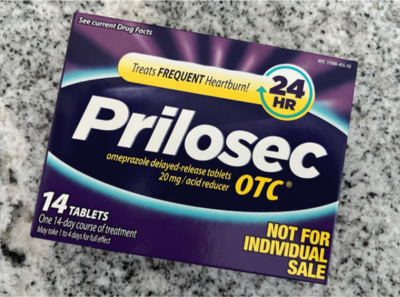
 Proton pump inhibitors (PPIs) are one of the most prescribed drugs in the world1. It is available both over the counter, and in higher strength prescriptions, proving effective at treating GERD, Helicobacter Pylori, dyspepsia and peptic ulcer disease (PUD)2. PPIs are often used long-term given the recurrent nature of the symptoms. Given this, there has been concern over the years for potential long-term effects of PPI therapy. Observational studies have suggested PPI association with various health issues including osteoporosis associated fractures, poor absorption of essential nutrients such as B12, iron and Magnesium, Infections including enteric, clostridium difficile and pneumonia. Additionally, there have been reports of cardiovascular diseases, kidney disease, dementia and all-cause mortality. To address these concerns, a large randomized double blind control trial of 17,598 participants assigned to either pantoprazole 40mg or placebo was conducted over a 3-year period and published in 20193.
Micronutrient Deficiency
There has been some suggestion based on observation studies that long term PPI, by causing achlorhydria, are associated with an increased risk of osteoporosis type fractures due to effect on decreasing calcium absorption. Similar mechanisms are thought to affect Vitamin B12, iron and magnesium absorption. While it is theoretically possible, the associations are weak, and data is conflicting. There are no guidelines for monitoring micronutrients on PPI, or recommendation to take beyond the Recommended Dietary Allowance of these micronutrients4.
Infections
Similar observational studies have shown an increased risk of Enteric infections, Pneumonia, and Clostridium difficile. The rationale being that by causing achlorhydria, it compromises one of our natural defense mechanisms against ingested bacteria, leading to susceptibility to colonization and infections. The randomized control trial of 17,598 participants published in 2019 showed a statistically significant increased odd’s ratio of 1.33 for enteric infections, with number needed to harm 301 after 3 years of PPI (pantoprazole) use. In this trial, there was twice as much C. difficile in the pantoprazole group compared to the placebo group, although there were only 13 events, so this difference was not statistically significant. No difference was found in rates of pneumonia.
Cardiovascular and Mortality Outcomes
Patients with cardiovascular disease are often on anti-thrombotic drugs and frequently requiring PPI as either prophylaxis or treatment for gastrointestinal bleeding. Several observations studies have shown an increased risk of CV diseases. The underlying mechanism that PPI reduces the activity of nitric oxide synthase, which is an important part in the cardiovascular system. The randomized control trail of 2019 found no difference in the primary outcomes of MI, stroke or all cause mortality.
Kidney Disease
Multiple studies have suggested an increased risk of kidney disease with PPI, whether cumulative or idiosyncratic. The mechanism is not known but speculated that PPI accumulation in kidney can cause Acute interstitial nephritis which could progress to AKI, CKD or ESRD. The randomized trial of 2019 did now show any statistical difference of new CKD in between the two groups after 3 years but did not monitor for AKI. There are no GI guidelines for monitoring kidney function on PPI, however one can consider it in elderly patients or those with pre-existing kidney disease, depending on individual practices.
Dementia
Several observational and some meta-analysis studies have suggested increased risk of dementia on long term PPI therapy. The hypothesis being PPI’s increase amyloid synthesis and decrease its degradation by effecting the lysosomes that are responsible for the breakdown, leading to amyloid accumulation in the brain. Several other meta-analyses and the randomized trial of 2019 have shown no risk of dementia.
Conclusion
The evidence between Proton Pump Inhibitors and various diseases is predominantly derived from observational studies and meta-analyses, yielding mixed outcomes. While these findings imply associations, they do not show causation due to the challenges in eliminating unmeasured confounding variables, including lifestyle factors. Encouragingly, the sole randomized trial did not replicate the previously observed risks, except for a mild elevated risk of enteric infections, and prompting a further question about an increased risk of C. difficile. It’s crucial to note that this trial only monitored patients for a duration of 3 years. On the flip side, the benefits of PPIs are unequivocal. Withholding PPIs from a patient who would benefit is not recommended. Nevertheless, the focus should be on using PPIs for the necessary duration, with periodic reassessments to determine the appropriateness of discontinuation. The call for additional randomized trials in the future is emphasized to provide more definitive insights into this matter.
References
Kantor E.D , Rehm C.D , Haas J.S , et al. Trends in prescription drug use among adults in the United States From 1999-2012. JAMA. 2015; 314: 1818-1831
Katz P.O , Gerson L.B , Vela M.F. Guidelines for the diagnosis and management of gastroesophageal reflux disease. Am J Gastroenterol. 2013; 108: 308-328
Moayyedi P , et al. Safety of proton pump inhibitors based on a large, multi-year, randomized trial of patients receiving rivaroxaban or aspirin. Gastroenterology 2019 May 29
Freedberg DE, Kim LS, Yang YX. The risks and benefits of long-term use of proton pump inhibitors: expert review and best practice advice from the American Gastroenterological Association. Gastroenterology. 2017;152:706-15.
 Dr. Mustafa Haroon
Dr. Haroon is a graduate of Rawalpindi Medical College in Pakistan, where he received a combined bachelor’s degree in medicine and surgery and was selected as a Fulbright Scholar. After coming to the United States, he completed an internship and residency in internal medicine, as well as a fellowship in gastroenterology at Boston University School of Medicine. Dr. Haroon joined Atlanta Gastroenterology Associates in 2020 and has a special clinical interest in GI motility disorders. He is Board Certified, Internal Medicine and Gastroenterology and works in the Newnan office


